
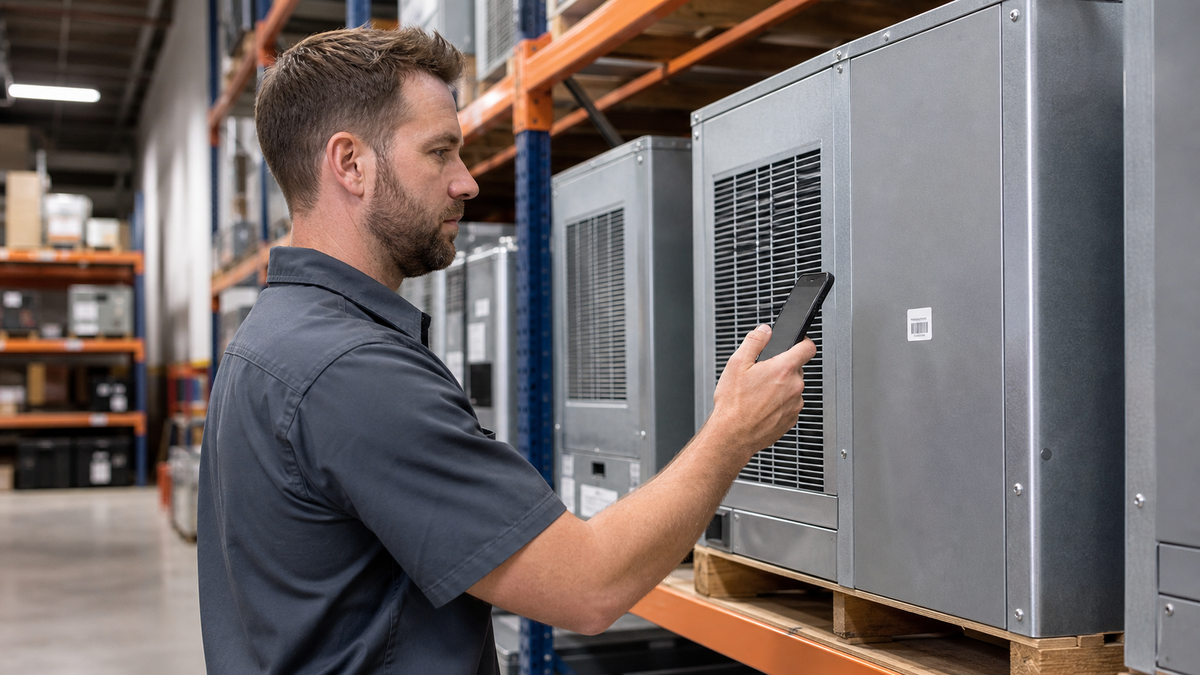
For residential and commercial heating, ventilation, and air conditioning (HVAC) contractors, operational success is directly tied to the reliability of their physical infrastructure. HVAC businesses operate in a highly demanding field environment, where technicians rely on specialized tooling, diagnostic instruments, and service vehicles to resolve heating and cooling failures. Without a structured equipment auditing protocol, contracting firms frequently suffer from tool loss, premature vehicle breakdowns, inefficient scheduling, and inaccurate job costing.
Implementing a systematic auditing program allows contractors to track, inspect, and maintain every physical asset in their possession. This process goes beyond simple list-making; it involves documenting maintenance histories, safety certifications, and utilization rates for every tool and vehicle. By maintaining tight control over their assets, HVAC companies can control overhead costs, improve technician productivity, and provide superior service to their customers. In a competitive market where service speed and technical accuracy are paramount, equipment auditing is a vital practice for protecting margins and ensuring long-term profitability.
Building a Comprehensive HVAC Equipment Inventory
The foundation of any successful auditing program is a detailed HVAC and home service equipment inventory. This centralized database should track every high-value asset, including recovery machines, vacuum pumps, combustion analyzers, leak detectors, reclamation tanks, and heavy rigging gear. Each item in the database must be assigned a unique identifier, such as a barcode or serial number, to track its movement and service history.
When constructing this inventory, contractors should record critical details for each asset: the manufacturer, model number, purchase date, acquisition cost, warranty status, and current physical condition. Specialized software or asset-tracking platforms can automate this process, allowing technicians to check tools in and out from their mobile devices. This real-time visibility prevents tool hoarding, clarifies technician accountability, and simplifies the process of identifying lost or misplaced items.
Furthermore, keeping an accurate inventory allows contractors to evaluate the total cost of ownership (TCO) for different brands and models of tools. Over time, this data reveals which equipment is the most durable and cost-effective, informing future purchasing decisions. It also ensures that the business is adequately insured, as insurers require detailed proof of asset value in the event of theft, fire, or natural disaster.
Structuring Service Vehicle Logs and Fleet Auditing
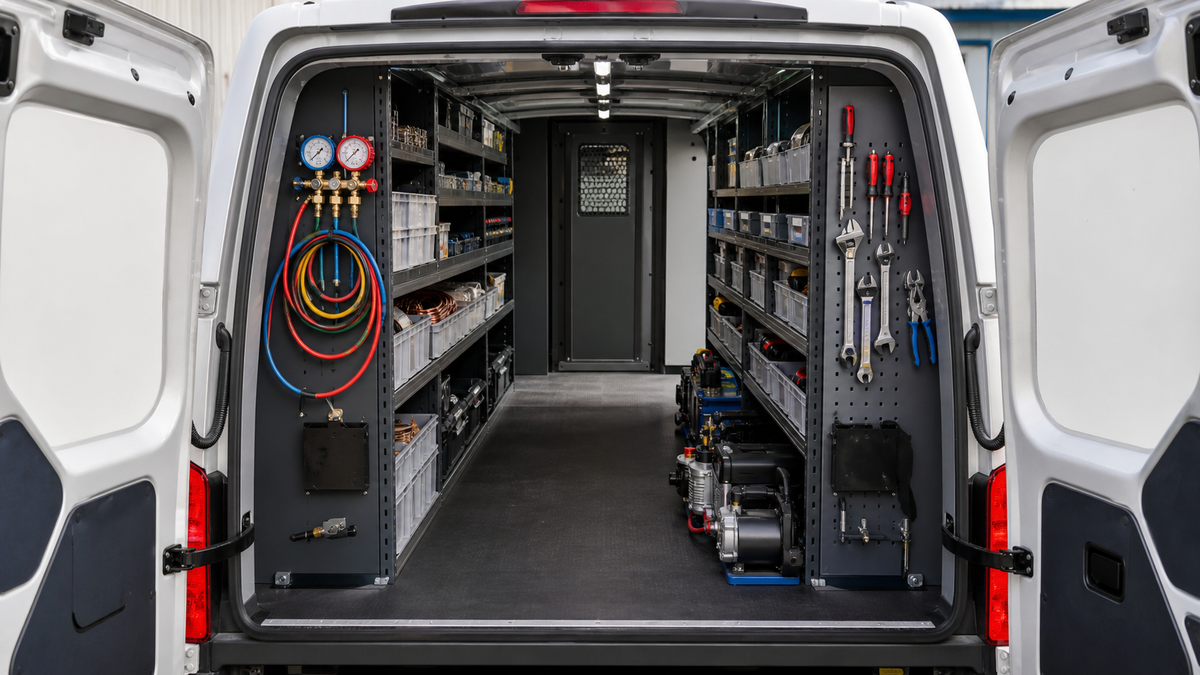
For HVAC contractors, their fleet of service vehicles represents one of the largest capital investments and ongoing operating costs. A service van is not merely a mode of transport; it is a mobile warehouse and workshop that must be systematically managed. Fleet auditing requires maintaining detailed vehicle logs that track fuel efficiency, mileage, registration renewals, and routine maintenance tasks such as oil changes, tire rotations, and brake inspections.
An effective fleet audit also includes reviewing the inventory carried inside each vehicle. Vans must be stocked with standard components, including capacitors, contactors, motors, copper tubing, fittings, and refrigerants. If a technician arrives at a job site without the necessary parts, they must travel to a local distributor, wasting valuable time and delaying the completion of the call.
Auditing these vehicle stock levels ensures that each truck is equipped to achieve high first-call resolution rates. In addition, vehicle logs must document the cargo weight to ensure that trucks are not overloaded, which can cause premature wear on suspension and braking systems, increase fuel consumption, and lead to safety violations. Regularly auditing vehicle logs helps fleet managers identify underperforming assets, plan for replacements, and optimize routing to reduce fuel costs.
Coordinating Preventative Maintenance and Calibration Schedules
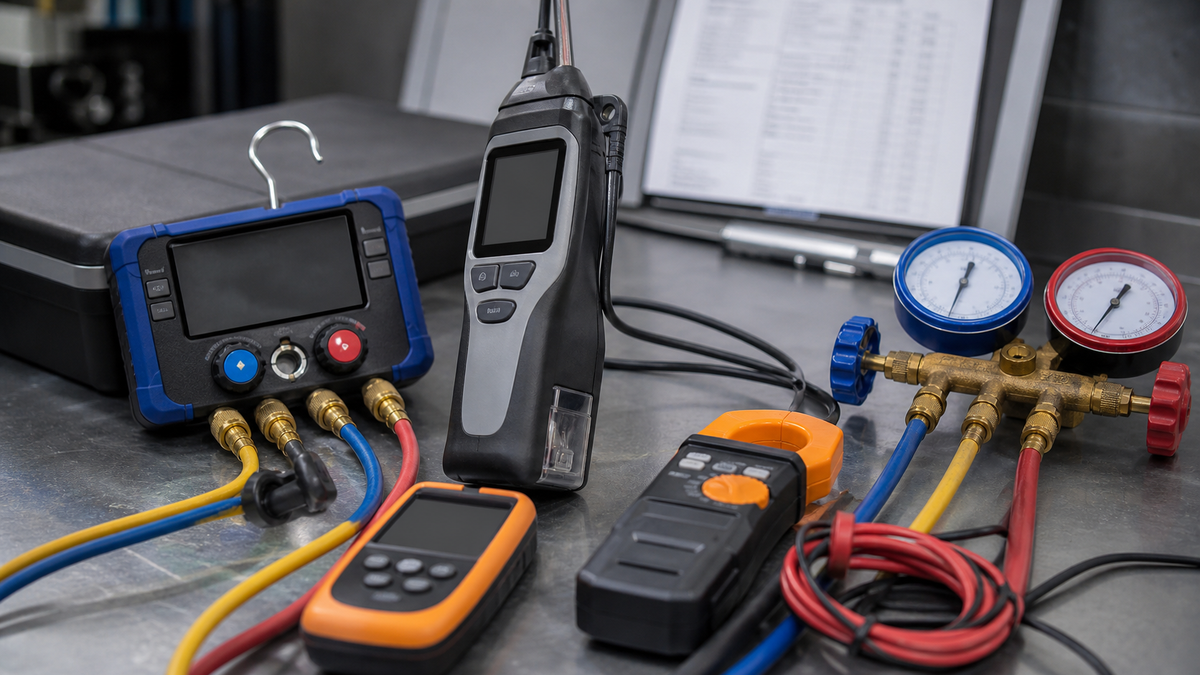
HVAC diagnostics and installations require highly precise tools that must be calibrated regularly to maintain accuracy. Combustion analyzers, digital manifolds, vacuum gauges, and electrical meters must operate within strict tolerances. If a diagnostic tool is out of calibration, a technician might misdiagnose a system failure, potentially leading to unnecessary repairs, customer complaints, or safety hazards such as undetected carbon monoxide leaks.
An equipment audit must cross-reference tool calibration certificates and schedule regular service with certified testing laboratories. Alongside calibration, preventative maintenance schedules must be established for heavy equipment, including vacuum pumps, which require frequent oil changes to maintain their performance. Recovery machines also need regular seal inspections and filter replacements to prevent cross-contamination between different types of refrigerants.
When contractors maintain clear calibration and maintenance logs, they protect their warranties and ensure compliance with Environmental Protection Agency (EPA) regulations under Section 608 of the Clean Air Act. These records prove that the firm uses properly maintained equipment to handle refrigerants, shielding the business from substantial regulatory fines and demonstrating a commitment to safety and workmanship.
Archiving Job Histories and Service Contract Records
Physical equipment audits are closely linked to administrative records, including job histories and service-contract records. By linking specific tools and vehicles to individual job sites, contractors can track the exact cost of each service call. If a technician uses a specialized recovery machine or a duct-cleaning system on a job, that usage should be captured in the job history to ensure accurate billing and job-cost analysis.
Reviewing job histories helps contractors identify which types of services are the most profitable and which require disproportionate equipment wear and tear. For example, commercial projects involving mold remediation or crawl space restorations require specialized air scrubbers and dehumidification equipment. If a contractor offers specialty services, such as those provided by the top-rated HVAC mold remediation near me clean air guaranteed providers, they must audit their specialized equipment usage and service-contract agreements to ensure their tools are operating safely and generating sufficient return on investment.
Similarly, maintaining clean records of subgrade services is critical when auditing tools used in challenging environments. Contractors who perform subgrade plumbing, duct sealing, or insulation work must track the specialized protective gear and ventilation equipment used in crawl spaces. When planning for these projects, understanding the costs of physical assets and labor is key, especially when compared to specialized contractors, such as checking the cost of professional crawl space waterproofing to evaluate standard pricing and tooling costs in subgrade environments.
Improving Operational Efficiency and Capital Planning
The ultimate goal of auditing HVAC equipment is to transition the business from a reactive state of crisis management to a proactive model of capital planning. When contractors possess accurate, real-time data regarding their tool inventories, vehicle conditions, and maintenance schedules, they can make strategic decisions about when to repair, replace, or retire their physical assets.
Rather than waiting for a critical recovery machine to fail in the middle of the summer cooling season, the contractor can schedule its replacement during the shoulder season based on its age and service history. This preventative approach minimizes downtime, ensures technical compliance, and improves cash flow management by spreading out capital expenditures.
Furthermore, a well-audited operation is highly organized, which improves employee morale and customer satisfaction. Technicians who have access to clean, working, and calibrated tools can perform their work faster and with greater confidence. By demonstrating a high level of operational control, HVAC contracting firms build a strong reputation for reliability, which is the most valuable asset in the home services industry.
Sources
- Air Conditioning Contractors of America. (2022). ACCA Standard 5: HVAC Quality Installation Specification. ACCA. https://www.acca.org/standards/ansi/
- ASHRAE. (2020). Standard 180-2018: Standard Practice for Inspection and Maintenance of Commercial Building HVAC Systems. ASHRAE. https://www.ashrae.org/technical-resources/standards-and-guidelines




0 Comments