
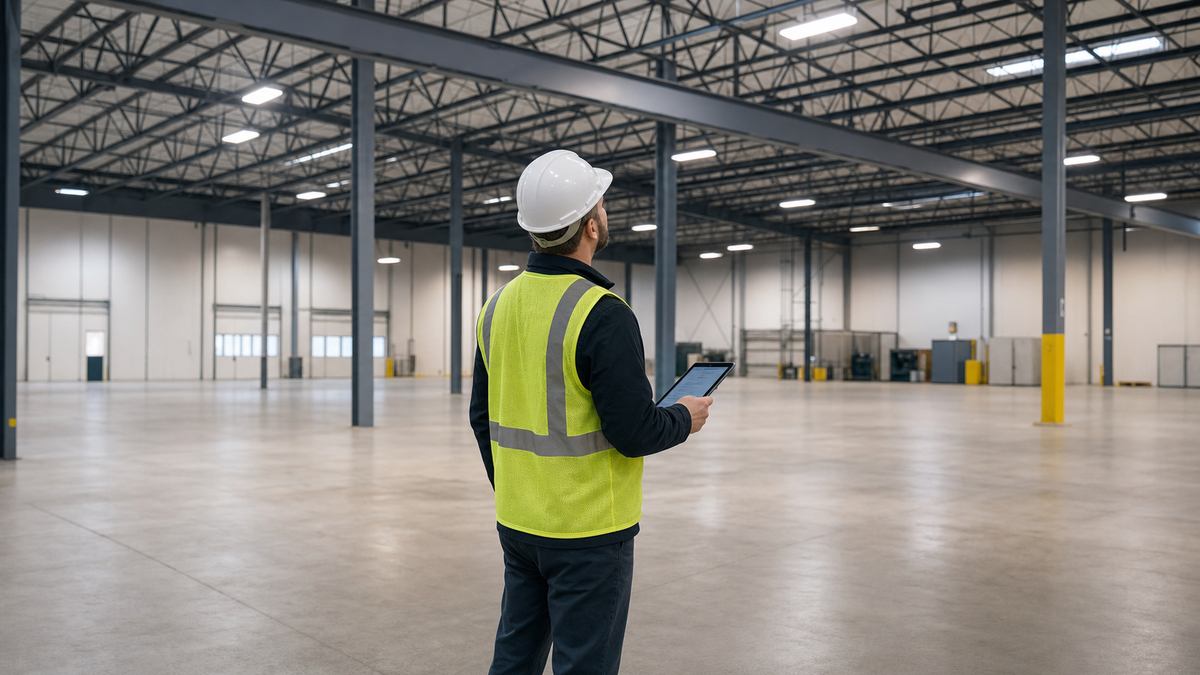
Acquiring or managing commercial property requires a comprehensive assessment of risks that extend far beyond structural integrity and cosmetic appeal. Among the most complex and financially significant risks are facility hazards, which encompass chemical contamination, biological growth, subgrade structural deterioration, and hazardous building materials. For commercial real estate investors, developers, and property managers, environmental audits represent a vital shield against legal liability, unexpected remediation costs, and diminished property values.
An environmental audit or commercial inspection serves as the primary tool for identifying these hidden threats before a transaction closes or a major renovation begins. Neglecting these assessments can lead to severe regulatory penalties, expensive cleanup operations, and potential litigation from affected tenants or workers. In today’s commercial real estate market, due diligence is not merely a formality but a foundational pillar of successful asset management. By systematically identifying risks in subgrades, building materials, and indoor air systems, property stakeholders can make informed acquisition and management decisions.
Understanding the Scope of Environmental Site Assessments
To evaluate facility hazards systematically, the real estate industry relies on standardized Environmental Site Assessments (ESAs), which are typically divided into Phase I and Phase II investigations. These assessments are governed by strict protocols, most notably those established by ASTM International. The primary goal of a Phase I ESA is to identify Recognized Environmental Conditions (RECs), which indicate the presence or likely presence of hazardous substances or petroleum products on a property under conditions that suggest an existing release, a past release, or a material threat of a release into the ground, groundwater, or surface water.
During a Phase I ESA, environmental professionals conduct exhaustive historical records reviews, examine aerial photographs, inspect municipal planning documents, and perform physical site reconnaissance. They also conduct interviews with current and past owners, operators, and occupants. This phase does not involve physical sampling or testing of soil, water, or building materials. Instead, it serves as a screening mechanism to determine if further testing is warranted. If the Phase I report identifies potential RECs, such as a history of dry cleaning operations on-site or nearby underground storage tanks, a Phase II ESA is triggered.
A Phase II ESA is a more intrusive process that involves collecting and analyzing physical samples. Environmental engineers drill soil borings, install groundwater monitoring wells, and collect soil vapor samples to verify the presence and extent of contamination. These findings are critical because cleaning up contaminated soil or groundwater can cost hundreds of thousands of dollars and drag on for years. Understanding the distinction between these phases allows commercial buyers to negotiate appropriate contract contingencies, purchase price adjustments, or environmental insurance policies.
Identifying Indoor Air Contaminants and Biological Hazards

Indoor air quality (IAQ) is a critical component of occupant health and facility safety. Biological hazards, particularly mold and microbial growth, frequently develop in commercial buildings due to inadequate ventilation, high humidity, or undetected water leaks. Mold can damage building materials, ruin interior finishes, and lead to adverse health reactions for building occupants, resulting in lost productivity and potential liability claims for property owners.
To determine the presence of mold, commercial inspections often require specialized testing when visible evidence is lacking but air quality concerns are reported. In these scenarios, certified inspectors carry out localized surface and air testing to locate the source of contamination. Understanding the exact nature of the fungal growth is crucial before initiating any remediation protocol, which is why professionals focus on understanding the process of conducting mold surface sampling to collect physical evidence from walls, ductwork, and structural beams. This localized testing, combined with ambient air samples, helps pinpoint the concentration and genus of the mold, allowing for targeted remediation plans that avoid unnecessary demolition.
Furthermore, commercial HVAC systems can act as conduits for spreading biological contaminants throughout a multi-story building. Condensate pans, cooling towers, and duct linings are common breeding grounds for bacteria and mold if they are not maintained properly. Once mold spores or other pathogens enter the supply air stream, they can contaminate entire floors, creating a widespread facility hazard that requires system-wide decontamination and significant disruption to tenant operations.
Analyzing Subgrade Structures and Moisture Prevention
The lower levels of a commercial facility, including crawl spaces, basements, and subgrade foundations, are highly vulnerable to environmental hazards. Moisture is the primary catalyst for structural decay, concrete spalling, and subgrade mold growth. In many commercial and mixed-use structures, crawl spaces are neglected during routine maintenance, allowing water infiltration to go unnoticed for long periods.
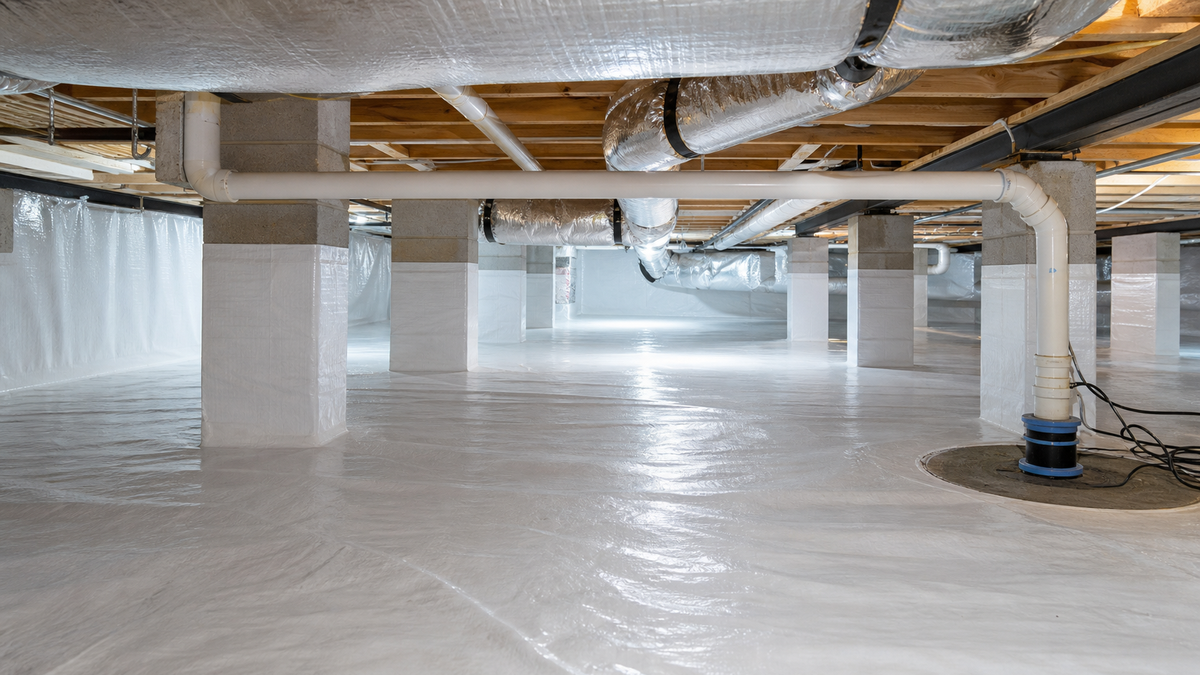
During crawl space inspections, environmental specialists look for signs of standing water, efflorescence on masonry walls, wood rot, and compromised vapor barriers. Water can enter these subgrade spaces through hydrostatic pressure, poor exterior grading, or failures in the building’s drainage systems. If water accumulates in a crawl space, it creates an ideal environment for mold and wood-destroying organisms, which can compromise the load-bearing capacity of the floor joists and subflooring above.
Addressing subgrade moisture is not just a matter of structural preservation; it is also essential for maintaining acceptable indoor air quality. Through a phenomenon known as the stack effect, warm air rises within a building, drawing cooler air from the crawl space or basement upward into the occupied spaces. If the subgrade air is contaminated with mold spores or moisture, it will degrade the air quality on the upper floors. To prevent these subgrade hazards, building owners must invest in comprehensive moisture control systems, which may include vapor barriers, drainage piping, sump pumps, and active dehumidification. Property managers evaluating these repairs must weigh the long-term asset protection benefits against the immediate expenses, taking into account the cost of professional crawl space waterproofing when budgeting for capital improvements to secure the foundation against water intrusion.
Managing Liabilities and Compliance in Property Transactions
The financial risks associated with environmental hazards in commercial real estate are amplified by federal, state, and local regulations. Under the Comprehensive Environmental Response, Compensation, and Liability Act (CERCLA) in the United States, current owners of contaminated property can be held strictly liable for cleanup costs, regardless of whether they caused the contamination. This strict liability framework means that an innocent buyer who fails to conduct proper environmental inspections before purchase could inherit the responsibility for substantial cleanup liabilities.
To protect themselves, buyers must establish that they conducted All Appropriate Inquiries (AAI) before acquiring the property. Performing a Phase I ESA in compliance with ASTM standards is the primary method to satisfy AAI requirements and qualify for CERCLA liability protections, such as the bona fide prospective purchaser or innocent landowner defenses. Commercial lenders also require these assessments to protect their collateral, as a property burdened by environmental cleanup costs may lose a significant portion of its value, making it difficult for the borrower to refinance or sell.
Beyond transaction-related liabilities, commercial properties must comply with ongoing environmental regulations, such as those governing asbestos-containing materials (ACMs), lead-based paint, and refrigerant management. Properties built before 1980 frequently contain ACMs in pipe insulation, floor tiles, and ceiling textures. While intact asbestos does not pose an immediate health risk, it becomes a major hazard if disturbed during renovations or repairs. Failure to manage these materials in compliance with Occupational Safety and Health Administration (OSHA) and EPA guidelines can result in potential regulatory penalties and operational disruptions.
Creating Long Term Risk Mitigation and Remediation Protocols
Managing facility hazards effectively requires transitioning from reactive containment to proactive, long-term risk mitigation. Successful commercial property owners implement formal Operations and Maintenance (O&M) programs to monitor and manage known hazards that do not require immediate removal. An effective O&M program outlines clear procedures for regular inspections, safety training for maintenance staff, and protocols for documenting the condition of hazardous materials over time.
When environmental audits reveal hazards that require immediate attention, owners must work with certified environmental consultants and contractors to develop detailed remediation plans. Whether the project involves soil vapor extraction, mold remediation, or crawl space encapsulation, the cleanup process must be executed in accordance with established industry standards and local regulatory requirements. Proper containment, negative air pressure systems, and personal protective equipment are essential to prevent cross-contamination and ensure the safety of remediation workers and building occupants.
Ultimately, investing in regular environmental audits and commercial inspections is a vital strategy for protecting commercial real estate investments. By identifying facility hazards early, property owners can address minor issues before they escalate into structural failures, health crises, or legal battles. Proactive environmental stewardship not only preserves the physical and financial value of commercial assets but also enhances their marketability and appeals to high-quality, risk-averse tenants.
Sources
- U.S. Environmental Protection Agency. (2023). All Appropriate Inquiries: Final Rule. EPA Office of Brownfields and Land Revitalization. https://www.epa.gov/brownfields/all-appropriate-inquiries
- ASTM International. (2021). ASTM E1527-21: Standard Practice for Environmental Site Assessments: Phase I Environmental Site Assessment Process. ASTM International. https://www.astm.org/e1527-21.html




0 Comments