
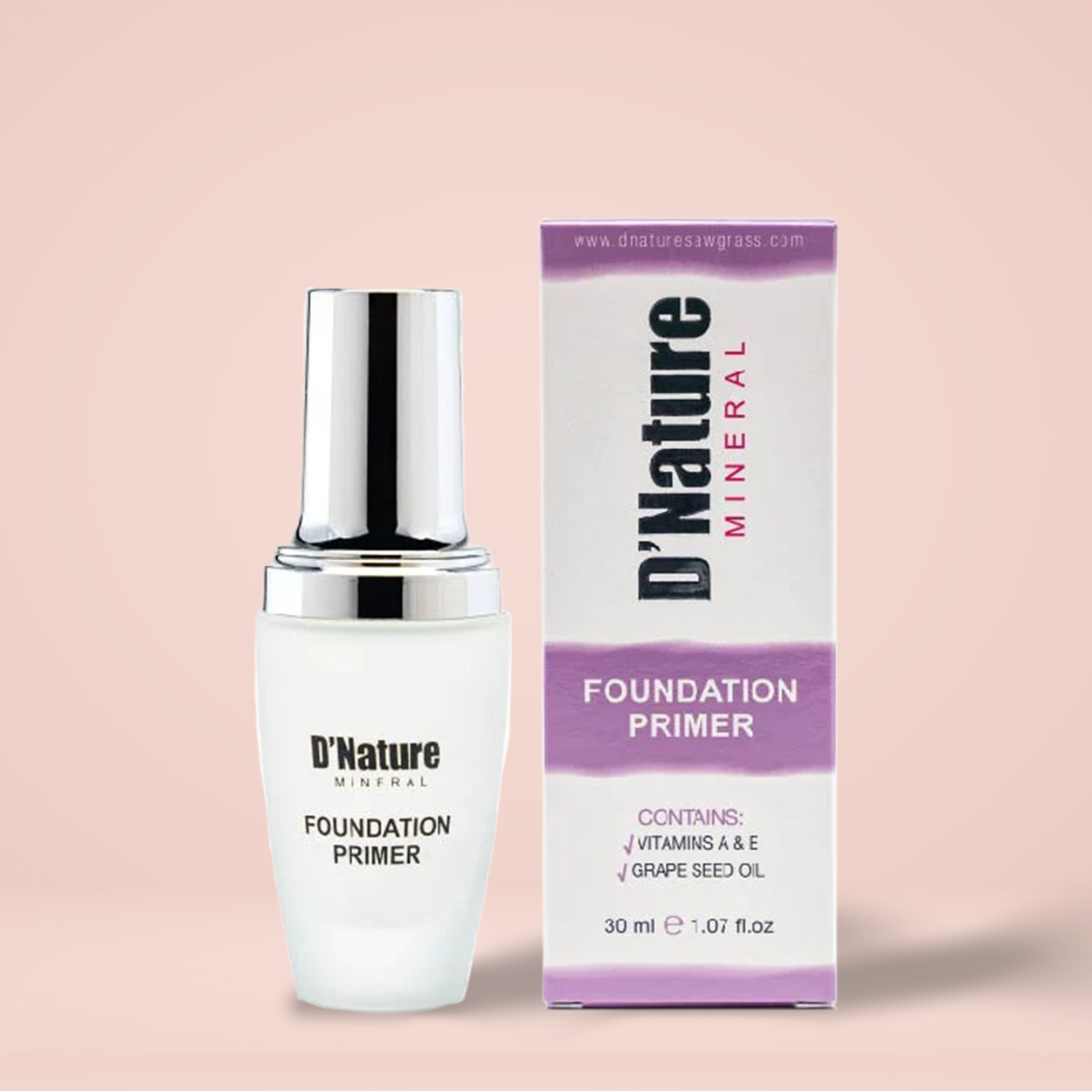
In the realm of makeup artistry, the primer serves as the foundational layer that ensures a flawless finish. As the beauty industry evolves, the choice between natural and traditional primers becomes a conversation of both performance and preference. Understanding the differences between these two types of primers can empower consumers to make informed decisions that align with their personal values and skin care needs. This article delves into the key distinctions and benefits of natural primers compared to their traditional counterparts, helping users navigate their options with confidence.
Understanding Traditional Primers
Traditional primers have been a staple in the makeup industry for decades, often praised for their ability to create a smooth canvas for foundation. These primers typically contain synthetic ingredients that enhance their effectiveness and longevity.
Key Features:
- Silicone-based formulas: Provide a silky texture and blur imperfections.
- Extended wear: Help makeup last longer by absorbing excess oil.
- Wide availability: Easily found across various brands and price points.
While traditional primers offer numerous benefits, their ingredient list can sometimes be a concern for those with sensitive skin or those seeking more natural beauty solutions. To learn about tailored solutions using traditional primers, find out more about this approach.
The Rise of Natural Primers
The demand for natural beauty products has surged in recent years, leading to the development of natural primers. These primers focus on using botanical and organic ingredients, catering to conscious consumers who prefer clean beauty options.
Key Benefits:
- Gentle on skin: Often formulated without synthetic chemicals, ideal for sensitive skin.
- Eco-friendly: Made with sustainable practices and biodegradable ingredients.
- Multifunctional: Often infused with skincare benefits such as hydration and nourishment.
Natural primers not only enhance makeup application but also offer skin-loving benefits. Discover expert strategies for incorporating natural primers into your routine here.
Comparative Analysis
When choosing between natural and traditional primers, it’s essential to consider several factors that align with personal preferences and skin type needs.
Performance:
- Natural primers may provide a more subtle finish, focusing on enhancing skin’s natural texture.
- Traditional primers often deliver a polished, airbrushed look, thanks to their synthetic ingredients.
Ingredient Safety:
- Natural primers prioritize non-toxic, plant-based ingredients.
- Traditional primers might contain parabens or fragrances that could irritate sensitive skin.
For those eager to explore advanced guides and tips on selecting the right primer for their skin type, explore advanced guides and tips.
Making the Right Choice
Ultimately, the choice between natural and traditional primers boils down to individual preferences and skin care goals. Consider the following when making your decision:
- Skin Sensitivity: If prone to irritation, a natural primer may be more suitable.
- Makeup Goals: For a lasting, smooth finish, traditional primers might be the best choice.
- Environmental Impact: Natural primers often have a lower environmental footprint.
For those seeking further insights on integrating primers into their beauty regimen, learn about our tailored solutions.
In conclusion, the decision between a natural versus a traditional primer should reflect one’s lifestyle, values, and beauty aspirations. Whether prioritizing performance or purity, understanding the unique advantages of each primer type ensures consumers can achieve the desired look while respecting their skin’s needs.



0 Comments