
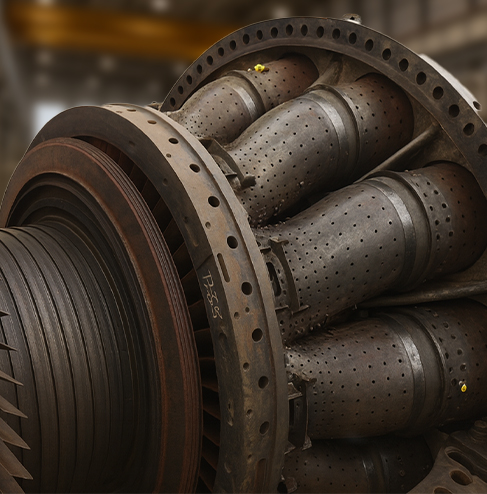
The efficiency and reliability of gas turbines are pivotal to the operational success of power generation facilities. Among the critical components influencing turbine performance is the hot gas path, which endures extreme temperatures and pressures. As such, routine inspections of the hot gas path are essential to ensure the longevity and efficiency of turbine operations. This article delves into the importance of hot gas path inspections and how they can significantly enhance turbine performance.
Understanding Hot Gas Path Inspections
Hot gas path inspections are comprehensive evaluations of the components within the high-temperature section of a turbine, including the combustor, turbine blades, and vanes. These inspections are crucial for identifying wear and tear, thermal fatigue, and any potential failures that could compromise turbine efficiency or safety.
Key Benefits of Regular Inspections
- **Enhanced Efficiency**: Regular inspections help in maintaining optimal performance levels by identifying issues that could lead to efficiency losses.
- **Increased Reliability**: By ensuring that all components are in good condition, inspections reduce the likelihood of unexpected breakdowns.
- **Extended Lifespan**: Timely detection of wear and tear extends the operational life of turbine components.
- **Cost Savings**: Preventative maintenance can lead to significant cost savings by avoiding expensive repairs and downtime.
Steps Involved in Hot Gas Path Inspections
A structured inspection process is crucial for effective evaluation. The process typically involves:
- **Pre-Inspection Planning**: This involves the collection of operational data and historical performance records to identify focus areas.
- **Visual and Non-Destructive Testing**: Techniques such as borescope inspections and ultrasonic testing are used to assess the condition of internal components without dismantling them.
- **Component Analysis**: Detailed analysis of critical parts such as blades and vanes to detect signs of wear, corrosion, or other forms of damage.
- **Post-Inspection Reporting**: Comprehensive documentation of findings, along with recommendations for maintenance or repairs. Discover expert strategies here.
Advanced Techniques and Tools
The advancement in inspection technologies has significantly improved the accuracy and efficiency of hot gas path evaluations. Some of the cutting-edge techniques include:
- **Infrared Thermography**: Used to detect hot spots that may indicate potential failures.
- **Laser Scanning**: Provides precise measurements of component wear and deformation.
- **Robotic Inspections**: Allows access to hard-to-reach areas without dismantling the turbine, minimizing downtime. Learn about our tailored solutions.
Conclusion
Hot gas path inspections are integral to maintaining the efficiency and reliability of gas turbines. By adopting a proactive approach to maintenance, operators can ensure optimal performance, extend the lifespan of critical components, and realize significant cost savings. To delve deeper into the methodologies and benefits of these inspections, explore advanced guides and tips. For those seeking to enhance their turbine maintenance strategies, find out more about this approach.



0 Comments